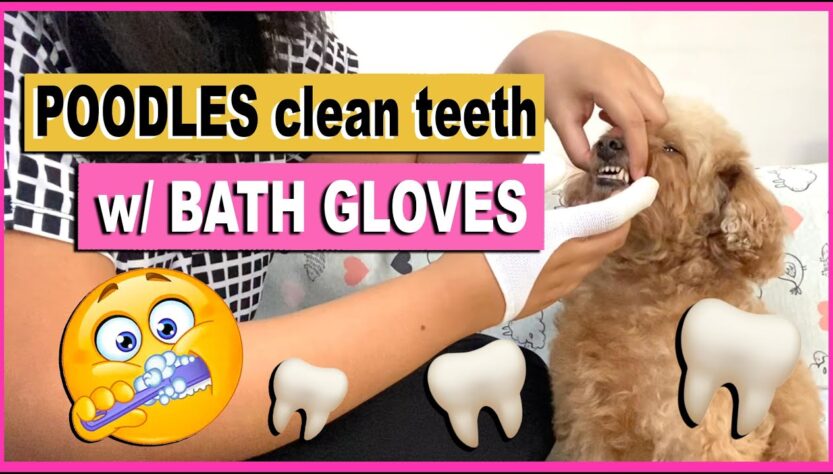
Dental care is an important part of keeping your Poodle healthy and comfortable. Just like grooming the coat, trimming the nails, and cleaning the ears, regular dental care should become part of your dog’s routine.
Poodles can develop plaque and tartar when their teeth are not cleaned regularly. Over time, this can contribute to bad breath, gum irritation, and dental problems.
The good news is that you do not need a complicated routine to start caring for your Poodle’s teeth. With a suitable dog toothbrush, dog-safe toothpaste, patience, and consistent practice, many Poodles can learn to accept regular tooth brushing.
In this guide, you will learn how to clean a Poodle’s teeth, how often to brush them, which supplies to use, how to introduce dental care to puppies, and when professional veterinary care may be needed.
Why Is Dental Care Important for Poodles?
A clean mouth is an important part of overall pet care.
When food particles and bacteria accumulate on the teeth, plaque can develop. If plaque is not regularly removed, it can harden into tartar.
Regular dental care can help:
- Reduce plaque buildup
- Support healthy gums
- Keep the mouth cleaner
- Reduce bad breath
- Make it easier to notice dental problems
- Support better long-term oral hygiene
Dental care does not replace professional veterinary examinations, but it can be an important part of your Poodle’s daily health routine.
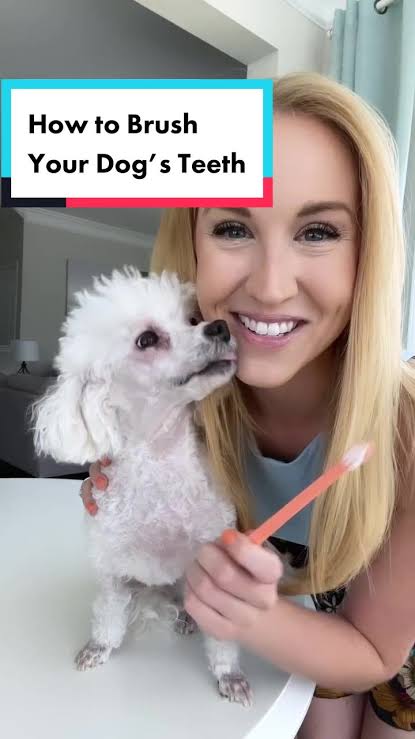
What Is Plaque and Tartar?
Plaque is a soft layer that can form on the surface of teeth.
Without regular cleaning, plaque may harden into tartar. Tartar is more difficult to remove with ordinary brushing and may require professional dental cleaning.
This is why prevention is important.
A regular home dental-care routine can help reduce the accumulation of plaque before it becomes a larger problem.
Signs Your Poodle May Have Dental Problems
Pay attention to changes in your dog’s mouth and behavior.
Possible warning signs include:
- Persistent bad breath
- Visible tartar
- Red or swollen gums
- Bleeding from the gums
- Difficulty chewing
- Dropping food while eating
- Chewing on one side of the mouth
- Reduced interest in food
- Excessive drooling
- Pawing at the mouth
- Sensitivity around the face or mouth
- Loose or damaged teeth
These signs can have different causes. If you notice persistent or concerning symptoms, a veterinarian should examine your Poodle.
What Do You Need to Brush a Poodle’s Teeth?
Before starting, prepare a few basic supplies.
Dog Toothbrush
Choose a toothbrush designed specifically for dogs.
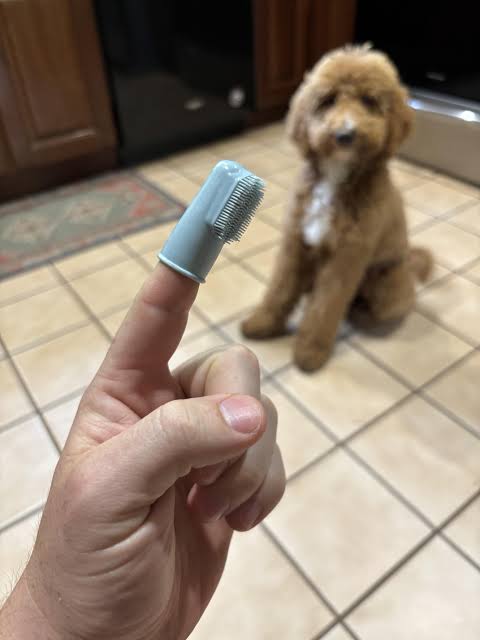
Some brushes are small and designed to fit comfortably in a dog’s mouth. Finger brushes are another option, although not every dog tolerates them.
Dog-Safe Toothpaste
Always use toothpaste specifically formulated for dogs.
Do not use ordinary human toothpaste. Some human toothpaste ingredients can be harmful to dogs if swallowed.
Choose a dog-safe product and follow its instructions.
Small Treats
Treats can be useful for positive reinforcement, especially when teaching a puppy to accept dental care.
How to Clean a Poodle’s Teeth Step by Step
Step 1: Choose a Calm Time
Do not start dental grooming when your Poodle is highly excited.
Choose a quiet time when your dog is relaxed.
Sit beside your dog and gently touch the muzzle.
Reward calm behavior.
Step 2: Let Your Poodle Taste the Toothpaste
Put a small amount of dog-safe toothpaste on your finger.
Allow your Poodle to smell and taste it.
This helps your dog become familiar with the new sensation.
Step 3: Introduce Mouth Handling
Gently lift your Poodle’s lip for a few seconds.
Do not immediately try to brush every tooth.
Reward your dog for staying calm.
Repeat this process over several sessions.
Step 4: Introduce the Toothbrush
Allow your Poodle to sniff the toothbrush.
Touch the brush gently against the outside of the teeth.
Keep the first session very short.
The goal is not to complete a perfect brushing session on day one. The goal is to build comfort.
Step 5: Start Brushing the Outer Surfaces
Once your Poodle accepts the toothbrush, gently brush the outer surfaces of the teeth.
Use small, gentle movements.
Pay particular attention to areas where plaque tends to accumulate.
You do not need to force the mouth open widely.
Step 6: Gradually Increase the Brushing Time
Start with a few seconds and gradually increase the duration.
As your Poodle becomes more comfortable, work toward brushing more teeth during each session.
Always remain gentle.
Step 7: Reward Your Poodle
Finish with praise and a small appropriate reward.
This helps your dog associate tooth brushing with a positive experience.
How Often Should You Brush a Poodle’s Teeth?
Ideally, dental care should be consistent.
Daily brushing is a useful goal because it helps remove plaque regularly.
If daily brushing is not immediately realistic, start with a schedule you can maintain and gradually increase the frequency.
Consistency is more important than attempting a long session once in a while.
How to Brush a Poodle’s Teeth Without Stress
Some Poodles accept tooth brushing quickly, while others need more time.
Try these techniques:
- Start with very short sessions.
- Use plenty of positive reinforcement.
- Let your dog investigate the toothbrush.
- Introduce toothpaste gradually.
- Avoid forcing the mouth open.
- Brush when your dog is calm.
- Stop if your dog becomes highly distressed.
- Practice handling the muzzle separately.
A calm routine is more useful than trying to rush the process.
Dental Care for Poodle Puppies
Starting early can make dental care easier later.
Puppies can gradually become accustomed to having their mouths and faces handled.
Begin with simple exercises:
- Touch the puppy’s muzzle.
- Lift the lip gently.
- Touch the teeth with your finger.
- Introduce dog-safe toothpaste.
- Introduce the toothbrush.
- Brush for a few seconds.
- Reward calm behavior.
Keep each session short.
The goal is to build a positive habit rather than expecting a puppy to tolerate a complete dental routine immediately.
What About Poodle Dental Chews?
Dental chews can be one component of an oral-care routine, depending on the product and your dog’s needs.
However, they should not automatically be considered a replacement for brushing or veterinary dental care.
When choosing a chew, consider:
- Appropriate size
- Appropriate texture
- Ingredients
- Calorie content
- Your dog’s chewing habits
- Manufacturer safety guidance
Always supervise your dog with chew products and follow the product’s instructions.
Can Dry Food Clean a Poodle’s Teeth?
It is a common belief that dry food automatically keeps a dog’s teeth clean.
However, ordinary kibble should not be treated as a substitute for a proper dental-care routine.
Brushing, appropriate dental products, regular observation, and professional veterinary care all have different roles.
How to Keep a Poodle’s Teeth Cleaner Between Brushing Sessions
In addition to brushing, maintain a general dental-care routine.
You can:
- Check the teeth regularly
- Monitor gum appearance
- Provide appropriate dental products
- Keep water available
- Follow your veterinarian’s recommendations
- Schedule regular veterinary examinations
The earlier you notice changes, the easier it may be to address them.
Common Mistakes When Brushing Poodle Teeth
Using Human Toothpaste
Never assume human toothpaste is suitable for dogs.
Use toothpaste specifically made for canine dental care.
Brushing Too Hard
Aggressive brushing can irritate the gums.
Use gentle movements.
Trying to Brush Every Tooth Immediately
A nervous dog may resist.
Start slowly and build tolerance.
Forcing the Mouth Open
Forcing can make your Poodle fearful of future dental care.
Work with the mouth in a relaxed, controlled manner.
Ignoring Bad Breath
Bad breath should not automatically be considered normal.
Persistent or unusual odor can be a reason to have your dog’s mouth checked by a veterinarian.
Stopping After One Difficult Session
Some dogs need time to adjust.
Short, positive sessions are often easier than attempting a long session immediately.
Poodle Dental Care and Professional Grooming
Dental care is related to grooming, but professional grooming does not replace veterinary dental care.
A groomer can help with general hygiene and may notice changes around the mouth.
However, dental problems that require examination, treatment, cleaning, or extraction should be handled by a veterinarian.
Do not attempt to scrape heavy tartar from your dog’s teeth with sharp household tools.
When Should You See a Veterinarian?
Contact a veterinarian if your Poodle develops:
- Persistent bad breath
- Bleeding gums
- Swollen gums
- Significant tartar buildup
- Loose teeth
- Broken teeth
- Difficulty eating
- Facial swelling
- Persistent mouth pain
- Sudden changes in eating behavior
A veterinarian can examine the mouth and recommend an appropriate dental-care plan.
A Simple Poodle Dental Care Routine
A practical routine might look like this:
Daily
Check your Poodle’s mouth when appropriate and brush the teeth if your dog tolerates it.
Several Times Per Week
If daily brushing is not yet achievable, maintain a consistent brushing schedule while gradually working toward more frequent care.
Regularly
Check for changes in breath, gums, teeth, chewing behavior, or appetite.
During Veterinary Visits
Ask your veterinarian to assess your Poodle’s dental health and recommend professional cleaning or other care when appropriate.
Poodle Dental Care Checklist
Use this checklist to make dental care easier:
- Use dog-safe toothpaste
- Use a suitable dog toothbrush
- Introduce brushing gradually
- Brush gently
- Focus on the outer surfaces first
- Reward calm behavior
- Check the mouth regularly
- Monitor bad breath
- Watch for gum changes
- Avoid human toothpaste
- Avoid scraping tartar at home
- Schedule veterinary dental checks
Final Thoughts
Learning how to clean a Poodle’s teeth is an important part of responsible grooming and everyday care.
The best approach is to start slowly, use dog-safe dental products, brush gently, and build a consistent routine. Your Poodle does not need to become comfortable with everything in one day.
For puppies, early positive experiences can make future dental care much easier.
Most importantly, home brushing is preventive care, not a replacement for veterinary examinations. If your Poodle has persistent bad breath, bleeding gums, significant tartar, pain, loose teeth, or difficulty eating, seek professional veterinary advice.
A clean coat is important—but a healthy mouth matters too.
Frequently Asked Questions
How often should I brush my Poodle’s teeth?
Daily brushing is a useful goal for plaque control. If your Poodle is new to brushing, start with short sessions and gradually increase the frequency.
Can I use human toothpaste on my Poodle?
No. Use toothpaste specifically formulated for dogs. Human toothpaste may contain ingredients that are not safe for dogs to swallow.
What is the best toothbrush for a Poodle?
Choose a soft toothbrush designed for dogs and appropriate for your Poodle’s size. A small pet toothbrush may make it easier to reach the teeth comfortably.
Why does my Poodle have bad breath?
Bad breath can have several causes, including plaque, tartar, gum problems, food, or other health issues. Persistent or unusual bad breath should be discussed with a veterinarian.
Can dental chews replace brushing?
Dental chews may complement a dental-care routine, but they should not automatically be considered a replacement for regular brushing or veterinary care.
How can I teach my Poodle to accept tooth brushing?
Start slowly. Let your dog smell the toothbrush, introduce dog-safe toothpaste, gently handle the muzzle, brush for a few seconds, and reward calm behavior.
Can I remove tartar from my Poodle’s teeth at home?
Avoid scraping tartar with sharp tools at home. Heavy tartar may require professional veterinary dental cleaning.
Do Poodle puppies need dental care?
Yes. Introducing puppies gradually to mouth handling and tooth brushing can help establish good dental-care habits as they grow.